You've seen the labels on speakers, with big numbers like "100W" or "200W." It's easy to think bigger is better, but this common myth often leads to buying a speaker that's loud but sounds terrible.
No, higher watts do not automatically mean better sound. Wattage measures a speaker's potential power, not its audio quality. True sound quality1 depends on the quality of its components, the cabinet's design, and professional audio tuning2.
It’s a paradox I've seen countless times in my 12+ years in the audio industry. A client will choose a high-wattage speaker3 expecting amazing sound, only to be disappointed. To avoid this, you need to understand what you're really looking at. Let's break down what truly makes a speaker sound great.
What is wattage really measuring?
Are you looking at a big wattage number and thinking it's a quality score? This can be misleading. That number tells you about power, not performance, which can lead you to make the wrong choice.
Wattage is like a car's horsepower; it indicates potential power, not how smooth or quiet the ride is. It's a measure of energy reserve, not a direct rating of how good the speaker sounds.
I often use the car analogy with my clients. A sports car might have 500 horsepower, but that doesn't mean it's more comfortable for a long road trip than a luxury sedan with half the horsepower. The same is true for speakers. Wattage simply tells you how much power a speaker can handle before it distorts or gets damaged. It’s a measure of volume potential4, not clarity5, balance, or richness. A speaker with lower wattage but superior engineering will almost always provide a more pleasant and accurate listening experience6 than a high-wattage speaker with cheap components. As a manufacturer, our goal is to create a balanced "ride," not just a powerful engine.
Power vs. Performance
Here’s a simple breakdown of what wattage means versus what actual sound quality entails.
| Feature | Wattage (Power) | Sound Quality (Performance) |
|---|---|---|
| What it is | Potential for volume | The clarity, balance, and fidelity of sound |
| The Analogy | A car's maximum horsepower | The car's smooth handling and ride comfort |
| Key Factor | An electrical rating | Engineering, quality components, and tuning |
So what factors truly create great sound?
If watts aren't the main indicator, then what is? Many people find it hard to know what to look for. The secret to great audio lies in the careful combination of several key elements.
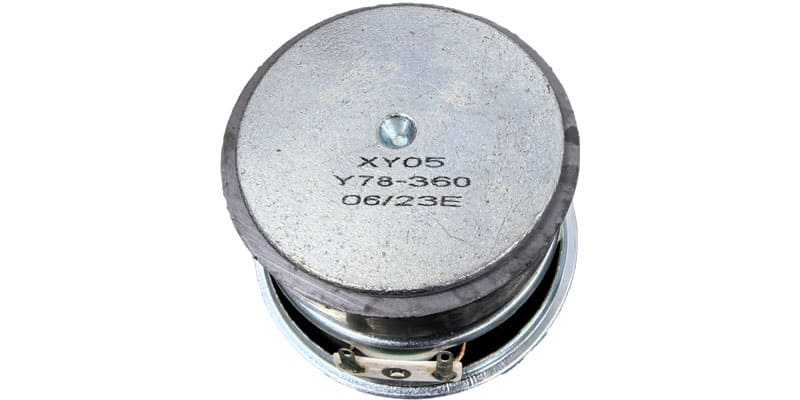
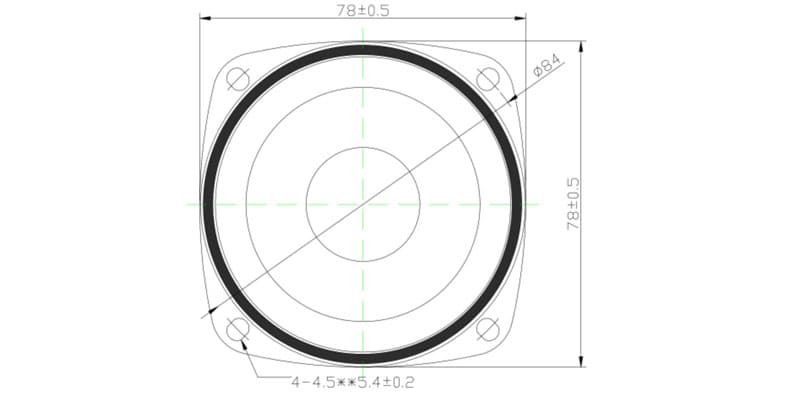
True sound quality comes from the quality of the speaker drivers7, the acoustic design of the cabinet, and how well the amplifier is matched with the speaker. Expert audio tuning brings these elements together.
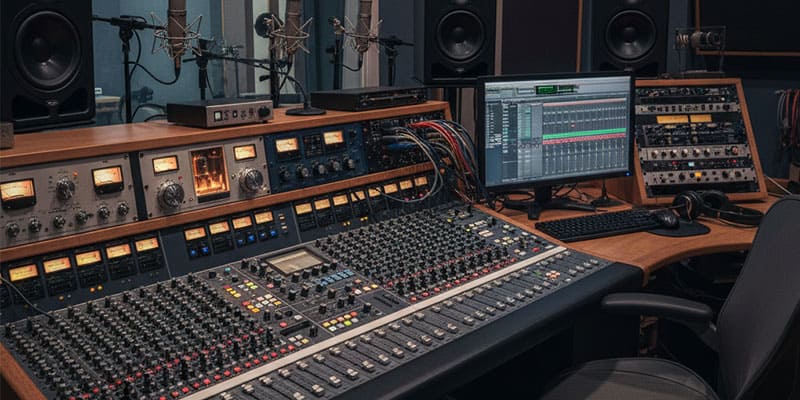
This is where we, as manufacturers, focus most of our efforts. It’s not about just putting a powerful speaker into a box. It’s a technical art. Our experienced software engineers work to perfectly match the speaker drivers7 with the PCBA (the circuit board). This ensures the electrical signals are translated into sound waves as cleanly and naturally as possible. A well-designed speaker cabinet prevents unwanted vibrations and resonances that can make the sound muddy. The final step is tuning, where we balance the high, mid, and low frequencies to create a sound that is clear, natural, and enjoyable to listen to for hours.
The Core Elements of Sound Quality
| Component | Its Role in Sound Quality | Why It Matters More Than Watts |
|---|---|---|
| Speaker Drivers | Reproduces the actual sound waves. | High-quality materials create clearer, more accurate sound. |
| Cabinet Structure | Manages airflow and resonance. | A good design prevents the audio from sounding distorted. |
| Component Matching | Ensures the amplifier and speaker work together. | Prevents distortion and gets the best from the speaker. |
| Audio Tuning | Balances high, mid, and low frequencies. | Creates a natural and pleasant listening experience. |
Is louder always better for your needs?
You might think a powerful speaker is perfect for any situation. But for family movie nights or a child's karaoke party, too much volume can be unpleasant and even harmful to hearing.
No, louder isn't always better. For home and family use, especially with children, sound clarity, softness, and ear safety are far more important than maximum volume. A well-balanced speaker is best.
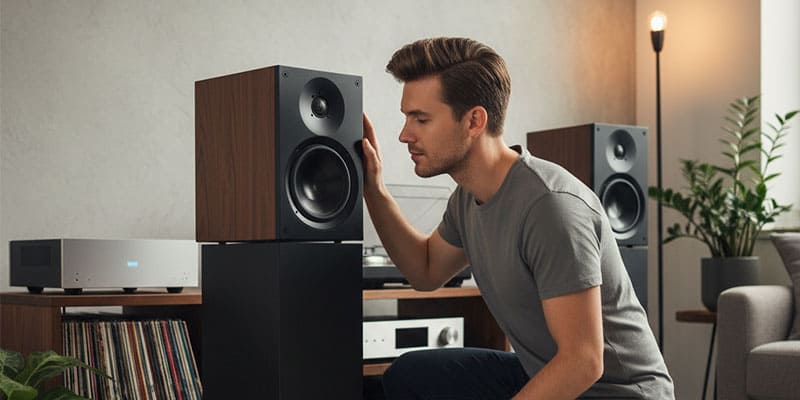
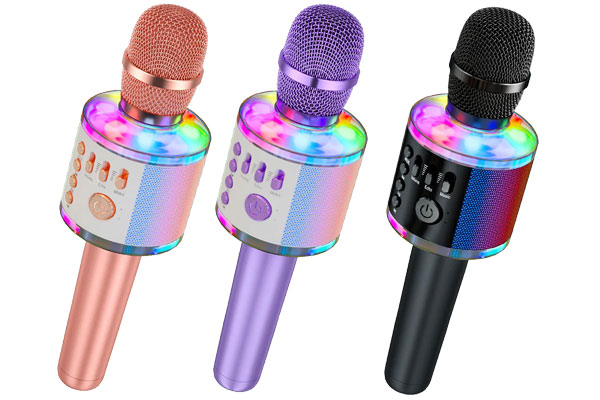
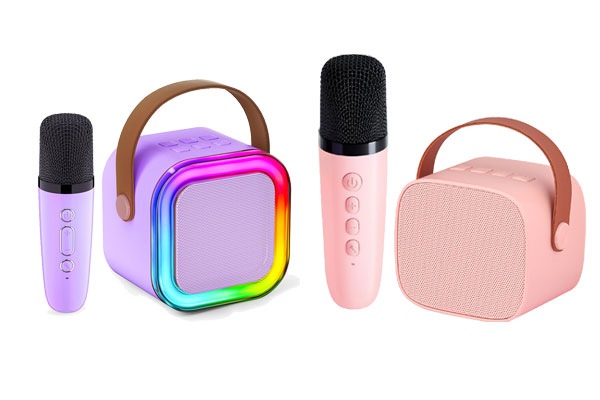
I remember a project where we were developing a children's karaoke microphone. The initial thought from the client was to make it loud to be more "fun." However, our research and experience showed that parents were far more concerned with sound clarity and protecting their children's hearing. A sound that is too loud or harsh can cause listening fatigue and is potentially unsafe for young ears. We focused on creating a microphone with a clear, soft sound at a moderate volume. The final product was a huge success because it delivered an enjoyable experience without being overwhelming. This principle applies to most home audio8; clarity and comfort are more important than sheer power.
Choosing for Your Environment
| Use Case | High Wattage (Volume) | Balanced Quality (Clarity) |
|---|---|---|
| Large Party/Venue | Necessary to fill the space. | Still important, but volume is a primary need. |
| Home Living Room | Can be overpowering and harsh. | Ideal for clear dialogue in movies and rich music. |
| Children's Product | Potentially unsafe for hearing. | Essential for ear protection and long-term enjoyment. |
Conclusion
In the end, don't let high wattage numbers mislead you. Great sound comes from quality engineering and balanced components, not just raw power. Always trust your ears first.
---Exploring sound quality factors will enhance your knowledge of audio equipment, leading to better purchasing decisions. ↩
Explore audio tuning to see how it balances frequencies for a natural listening experience. ↩
Investigate whether high-wattage speakers truly deliver better sound or if other factors are more important. ↩
Understanding volume potential helps you assess speaker capabilities beyond just wattage. ↩
Sound clarity is essential for an enjoyable listening experience; learn how to prioritize it in your choices. ↩
Enhancing your listening experience involves knowing the right features to look for in audio equipment. ↩
Learn about speaker drivers to understand their crucial role in delivering clear and accurate sound. ↩
Understanding home audio systems will help you create a comfortable and enjoyable listening environment. ↩