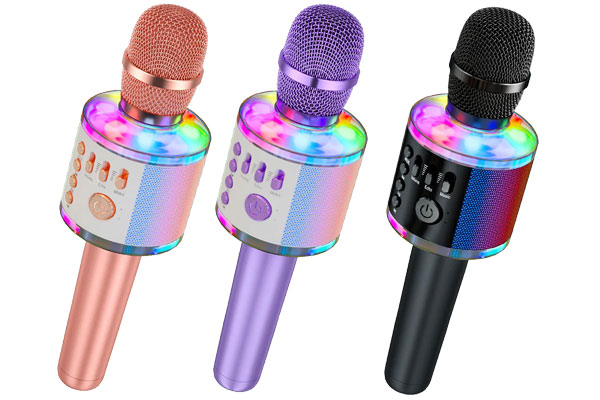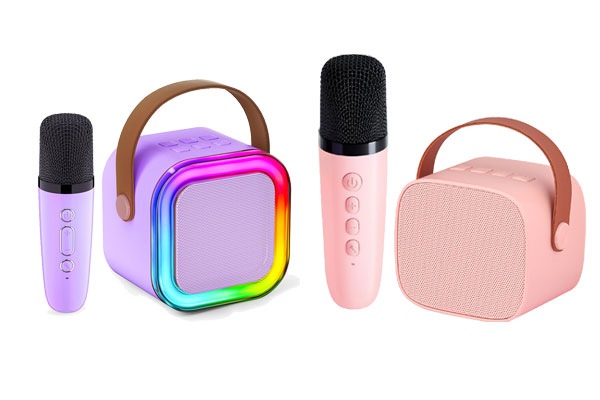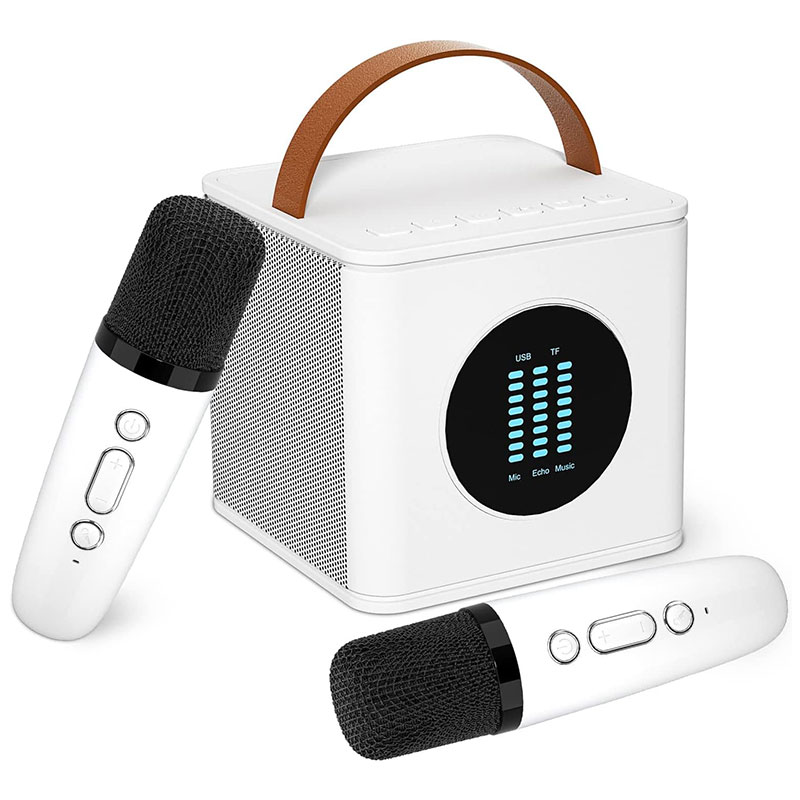
Sourcing speakers from China feels risky. You worry about quality, communication1, and delays. What if you had a clear guide to find a reliable partner for your brand?
To find the best OEM speaker manufacturer2, you must verify their certifications (CE, FCC, RoHS)3, check their quality control process4, review their export experience5, and ensure their production capacity6 matches your needs. This ensures a smooth partnership and high-quality products for your customers.
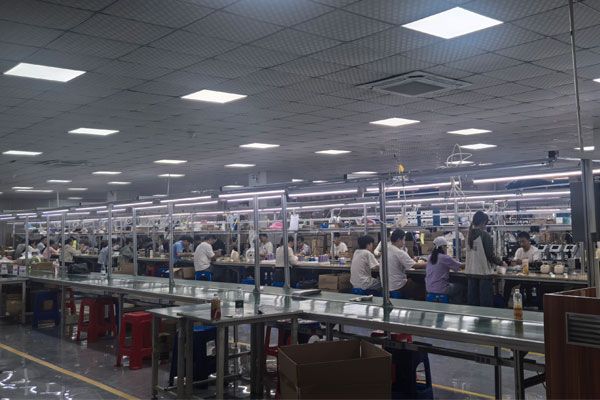
Finding the right manufacturing partner is crucial for your business's success. It's about more than just finding a low price; it's about finding a factory that can deliver quality products on time. I’ve been in this industry for over a decade, and I've learned a lot about what separates the great factories from the rest. Let's break down what you need to know to make the best choice.
What exactly is an OEM speaker manufacturer?
OEM, ODM, OBM... these terms are confusing. You need to know the difference to communicate your needs clearly. Misunderstanding them can lead to costly mistakes and project delays.
An OEM (Original Equipment Manufacturer) builds products based on your design and specifications. An ODM (Original Design Manufacturer) offers pre-designed products you can brand as your own. OBMs (Original Brand Manufacturers) sell products under their own brand name. Most brands start with OEM or ODM.
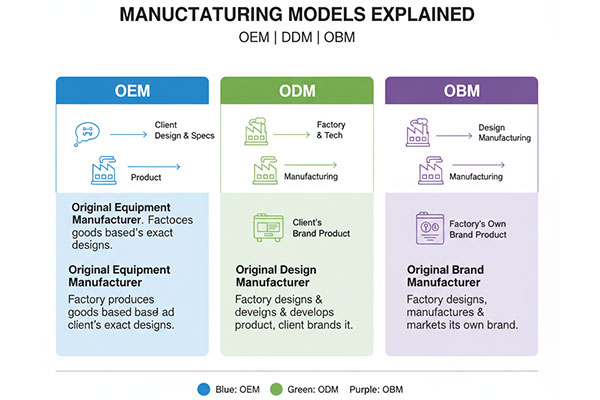
When you partner with an OEM factory, you are essentially outsourcing your production. This allows you to focus on marketing and selling your products without the massive investment of building and running your own manufacturing facility. Let's look closer at what this partnership means.
OEM vs. ODM: What's the Difference?
Understanding the distinction is the first step. I see many clients get this wrong, which complicates the initial quotes and discussions.
| Model | Your Responsibility | Factory Responsibility | Best For |
|---|---|---|---|
| OEM | Provide the complete product design, specifications, and branding. | Manufacture the product exactly as you designed it. | Brands with unique product designs and R&D capabilities7. |
| ODM | Choose from the factory's existing product designs. Provide your branding. | Manufacture their existing product with your logo and packaging8. | Brands that want to get to market quickly with a proven product. |
As you can see, the choice depends entirely on your business strategy and resources.
What Services Can an OEM Factory Provide?
A good OEM factory is more than just an assembly line. They are a partner that helps you bring your product to life. They can provide a full suite of services, from the initial concept all the way to the final shipment. This includes helping with structural design, creating the molds, managing mass production9, implementing strict quality control, and designing custom packaging.
How can you choose a reliable OEM speaker factory?
You found a factory online, but how do you know they're reliable? Choosing the wrong partner can lead to poor quality, missed deadlines, and lost money.
To choose a reliable factory, create a checklist. Verify their production capacity, R&D capabilities for ODM potential, international certifications (ISO, CE, RoHS), and quality control processes. Ask for their export history to ensure they understand your market's requirements. This vetting is crucial.
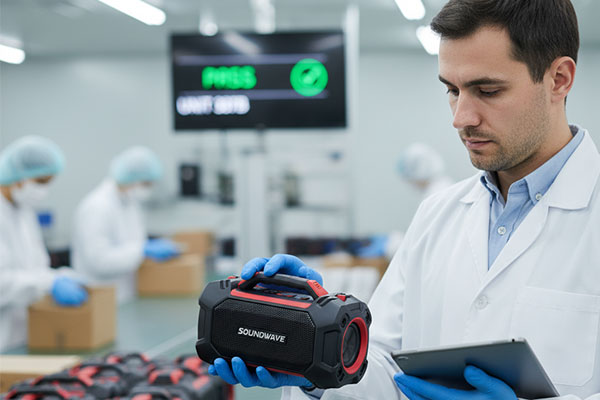
I've visited hundreds of factories over the years. Some look great on their website but are a mess in person. Others are small but incredibly efficient and detail-oriented. You have to dig deeper than the marketing materials. You need a systematic way to evaluate each potential partner. This is why I always use a checklist. It keeps me focused on the things that truly matter for a successful production run.
Your Factory Vetting Checklist
Don't just take their word for it. Ask for proof. A reliable factory will be happy to provide documentation and walk you through its processes.
- Production Capacity: How many production lines do they have? What is their monthly output?
- R&D Capability: Do they have an engineering team? Can they assist with design (ODM)?
- Key Certifications: Do they hold ISO 9001? Are their products certified for your market (CE, FCC, RoHS, REACH)?
- Quality Control Process: What are their inspection steps for incoming materials, in-process assembly, and finished goods? Ask for their AQL standards10.
- Export Experience: Which countries do they mainly ship to? Are they familiar with your country's import regulations11 and standards?
- Sample Availability: Can they provide samples of similar products they have made? How long does it take to make a custom sample?
- Price and MOQ: Is their pricing competitive? Is their Minimum Order Quantity (MOQ)12 realistic for your business?
Key Areas to Investigate
Beyond the checklist, focus on their communication. Do they respond to your emails promptly and clearly? Language barriers can be a challenge, but a professional factory will have experienced sales staff who can communicate effectively. Also, ask about their supply chain13. A factory with strong relationships with its material suppliers is less likely to face unexpected delays.
What does the OEM speaker manufacturing process look like?
The manufacturing process seems like a black box. You send a design and hope for the best. This lack of transparency can cause a lot of anxiety and uncertainty.
The process starts with your inquiry and design. Then comes prototyping14 and mold creation. After approval, the factory sources materials, starts mass production, conducts rigorous testing, handles packaging, and finally arranges shipment. Each step requires clear communication and approval.
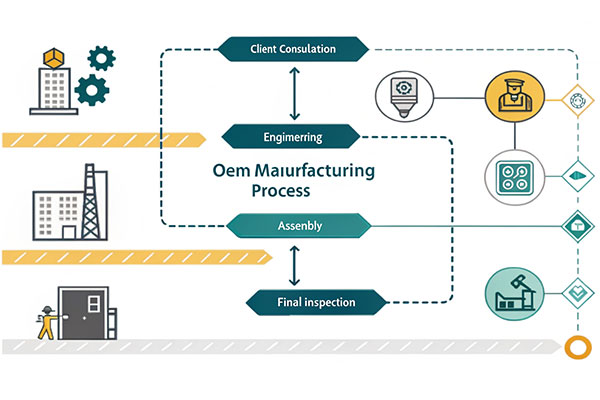
Understanding the production journey from start to finish helps you manage your timeline and budget effectively. I always make sure my clients know what to expect at each stage. It builds trust and ensures there are no surprises. A good manufacturing partner will be transparent about their process and keep you updated along the way. Let's walk through the typical steps and the costs involved15.
From Concept to Container: A Step-by-Step Guide
- Inquiry & Quoting: You provide your product specifications, and the factory gives you a preliminary quote.
- Design & Engineering: You finalize the product's Industrial Design (ID) and structural design.
- Prototyping: The factory creates a working sample for you to test and approve. This step is critical for catching any design flaws.
- Mold Making: If your design is unique, the factory will create new injection molds. This is often the biggest upfront investment.
- Material Sourcing: The factory orders all the components: speaker units, batteries, PCBs, plastic casings, etc.
- Mass Production: The assembly lines are set up, and workers begin building your product.
- Quality Control & Testing: Products are tested throughout the process. This includes audio tests, function tests, and aging tests. A final inspection happens before packaging.
- Packaging: Your products are packed into retail boxes and then into master cartons for shipping.
- Shipment: The finished goods are loaded into a container and shipped to your designated port.
Understanding the Costs
The final unit price is a sum of many parts. The biggest factors are typically the materials, especially the battery, the speaker driver, and the Bluetooth chipset solution. Mold fees are a one-time cost for custom designs. Labor, packaging, testing, and a small margin for the factory make up the rest.
Why is China the best place for OEM speaker manufacturing?
You hear about manufacturing in other countries. Is China still the best choice? You worry about rising costs and complex logistics, questioning if the benefits still outweigh the challenges.
China remains the top choice due to its complete supply chain, especially in the Pearl River Delta (Shenzhen, Dongguan). This concentration of suppliers means lower costs, faster production, and access to experienced factories. The infrastructure for export is unmatched.

I've explored manufacturing options in other countries, but for consumer electronics16 like speakers, China's advantages are hard to beat. The ecosystem is simply unparalleled. Everything you need, from a specific screw to a custom-tuned audio chip, is available within a few hours' drive. This integration is what makes the process so efficient.
The China Advantage
The main reason China, particularly the Dongguan and Shenzhen area, dominates speaker manufacturing is the supply chain. You can find dozens of suppliers for every single component in one place. This competition drives down costs and speeds up development time. If a supplier has a problem, there are ten others ready to step in. Factories here have decades of experience making products for global brands. They understand international quality standards and export logistics better than anyone. This experience minimizes risks and ensures a smoother process for buyers like you.
Solving Common Sourcing Problems
Working with any manufacturer has its challenges. Here's how I handle the most common issues:
- High MOQ: If a factory's MOQ is too high, ask if you can start with a smaller trial order. Sometimes, they are flexible if you commit to larger orders later. You can also choose one of their existing ODM models, which often have lower MOQs.
- Mold Costs: A custom mold is expensive. If your budget is tight, start with an ODM product. You can still customize the color, branding, and packaging to make it unique. You can invest in a custom mold once your sales volume justifies the cost.
- Quality Control: Never assume quality will be perfect. The key is a clear quality standard and a rigorous inspection process. We perform 100% function tests on all units before they leave our factory and follow strict AQL sampling standards for final inspection.
Conclusion
Finding the right OEM speaker manufacturer in China is achievable. Follow this guide to partner with a factory that ensures quality, value, and success for your brand's audio products.
Learn how clear communication can prevent misunderstandings and ensure smooth operations. ↩
Explore this link to discover leading OEM speaker manufacturers that can meet your quality and production needs. ↩
Learn about the significance of these certifications to ensure product safety and compliance. ↩
Understanding quality control processes can help you ensure product reliability and customer satisfaction. ↩
Explore how a manufacturer's export experience can influence your business's success in international markets. ↩
Find out how to evaluate a factory's production capacity to ensure they can meet your demands. ↩
Discover the importance of R&D capabilities in ensuring innovative and high-quality products. ↩
Discover how effective packaging can enhance your product's marketability and protection. ↩
Explore the mass production process to better understand how your products will be manufactured. ↩
Learn about AQL standards and how they help maintain product quality during inspections. ↩
Understanding import regulations can help you navigate the complexities of international trade. ↩
Learn about MOQs and how they can affect your sourcing strategy and budget. ↩
Explore how a robust supply chain can enhance efficiency and reduce delays in production. ↩
Discover the prototyping process and its importance in catching design flaws early. ↩
Explore the various factors that affect manufacturing costs to better plan your budget. ↩
Stay updated on the latest trends in consumer electronics to make informed sourcing decisions. ↩