Struggling to find a reliable Bluetooth speaker supplier1 in China? You worry about poor quality, missed deadlines, and communication issues. I can help you confidently navigate the process.
To find the right supplier, first understand China's supply chain advantages2. Then, identify the different supplier types, like factories and trading companies3. Finally, use key criteria like product specs and certifications4 (CE, FCC) to vet them. This ensures you partner with a capable manufacturer.
I've been in this industry for over 12 years right here in Dongguan5, and I've seen it all. Many buyers I talk to jump in without understanding the fundamentals, and it costs them time and money. It doesn't have to be that way for you.
Let’s break down the process so you can make smart decisions. It all starts with understanding why China is the world's factory for electronics in the first place.
Why Source Bluetooth Speakers From China?
You need high-quality speakers at a good price. But sourcing internationally seems risky and expensive. China's mature ecosystem actually lowers your risk and cost, giving you a competitive edge.
China offers a massive advantage because its electronics supply chain is highly concentrated in cities like Shenzhen6 and Dongguan. This reduces transport costs7 and production time. Plus, the variety of products, from mini speakers to karaoke machines, is huge, fitting any market need.
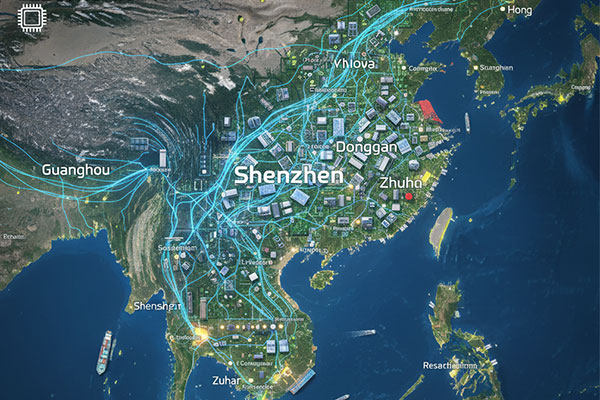
When I first started my factory, I knew Dongguan was the right place. The entire ecosystem for creating a consumer electronics8 product is right here. This gives my clients two huge benefits that are hard to find anywhere else.
The Power of a Concentrated Supply Chain
For over two decades, the Pearl River Delta region, especially Shenzhen and Dongguan, has been the heart of 3C electronics manufacturing. Everything is close by. We can get raw materials like ABS plastic, electronic components like chips and batteries, and even packaging materials from suppliers just a few kilometers away. This isn't just convenient; it directly impacts your bottom line. Because transportation is minimal, both time and cost are saved. This speed allows us to move from a final design to mass production9 much faster than in regions with scattered supply chains.
| Factor | Concentrated Supply Chain (e.g., Dongguan) | Dispersed Supply Chain |
|---|---|---|
| Material Sourcing | Days | Weeks |
| Transport Costs | Low | High |
| Prototyping Speed | Fast | Slow |
| Problem Solving | Quick (face-to-face) | Delayed (shipping parts) |
Unmatched Product Variety
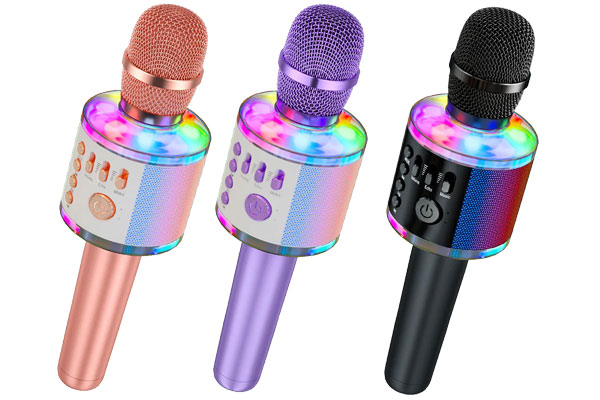
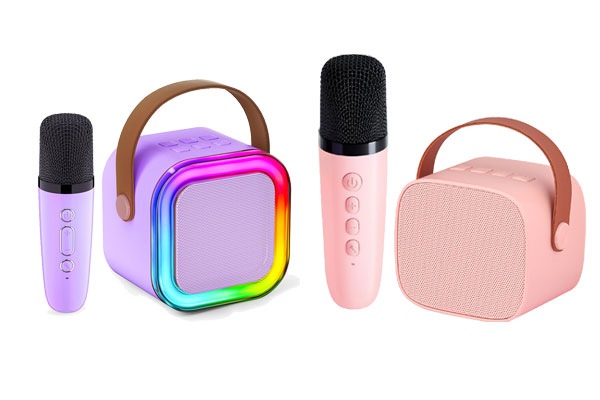
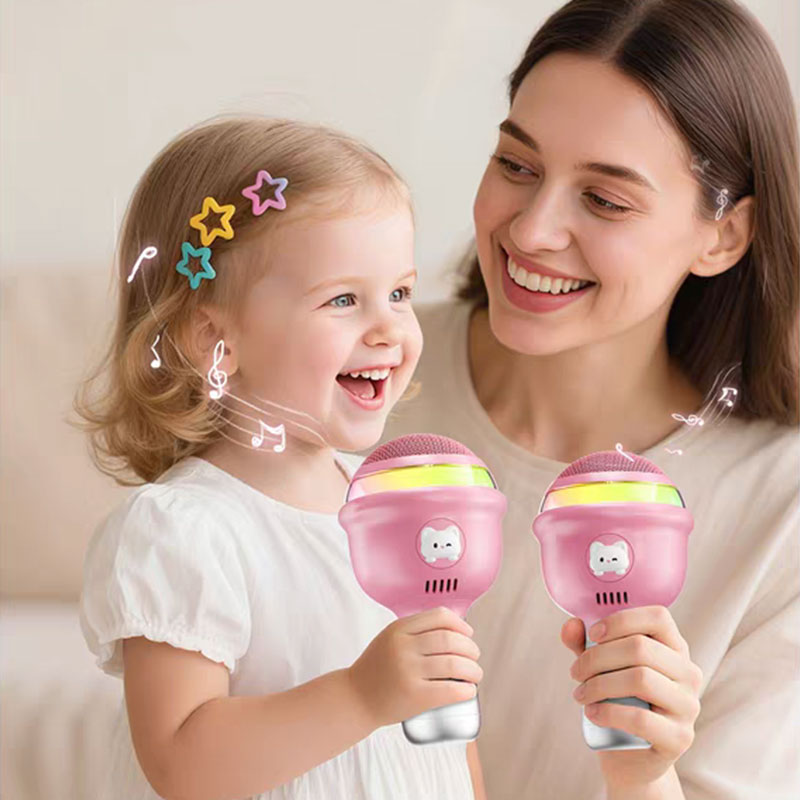
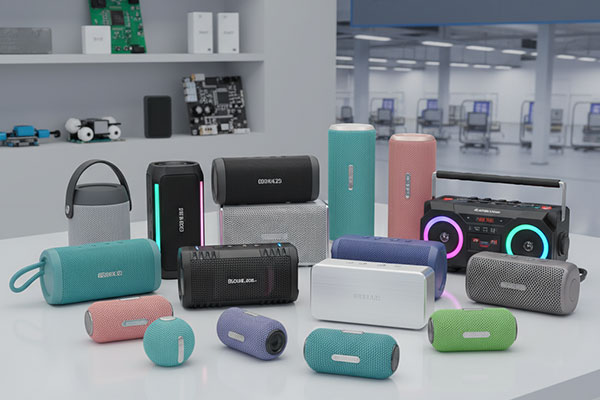
The maturity of the market also means incredible diversity. You can find almost any type of speaker here. There are tiny portable Bluetooth speakers, powerful party speakers with flashing lights, and even high-fidelity wooden speakers. Our factory, Shuer Audio, specializes in ABS plastic products, particularly kids' karaoke machines and microphones. This focus allows us to perfect the manufacturing process for a specific niche, ensuring high quality and cost-effectiveness. Whether you need a rugged outdoor speaker or a fun gift item, a Chinese supplier has likely already made something similar.
What Types of Chinese Speaker Suppliers Are There?
You know you want to source from China, but who do you actually work with? Picking the wrong type of partner for your business model can lead to serious problems. Understanding the different players is key.
You'll mainly find OEM/ODM factories10 like us, brand suppliers, trading companies, and small workshops11. Factories offer deep customization. Trading companies provide variety from multiple sources. Small workshops are for low-volume orders. Your choice depends on your business needs for customization, volume, and service.
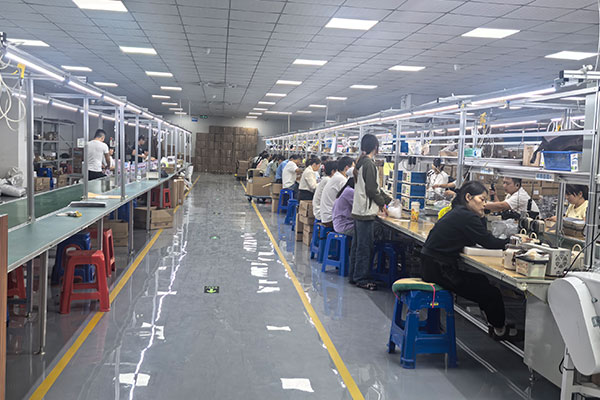
Over the years, I've worked with clients who started with trading companies and later came to us directly. They realized they needed more control over the design and quality, which is exactly what a factory provides. Each supplier type has its purpose, and it's important you pick the one that aligns with your goals from the start.
Understanding Supplier Models
Choosing the right partner is critical. Do you need a unique product designed from scratch, or do you just need to source existing products? Your answer will point you toward the right type of supplier. I've broken down the main types for you in this table.
| Supplier Type | Best For | Key Advantage | Potential Downside |
|---|---|---|---|
| OEM/ODM Factories | Importers and brands needing custom products. | Full control over design, function, and packaging. Direct communication. This is what we do at Shuer Audio. We can take a client's idea and manage it from 3D design to mass production. | Higher minimum order quantities (MOQs). |
| Brand Suppliers | Wholesalers and retailers looking for ready-made products. | Established brand recognition. No R&D needed. You act as a distributor. | No customization. You are selling someone else's brand. |
| Trading Companies | Buyers who need a small quantity of many different products. | One-stop-shop for various items from different factories. Lower MOQs. | Higher prices (they add a margin). Less control over production and quality. |
| Small Workshops | Startups or businesses testing a new idea. | Very low MOQs and often very low prices. Fast to make samples. | Inconsistent quality. May lack proper certifications or export experience. |
How Do I Choose the Best Supplier and Product?
You've found a few potential suppliers. But how do you know if their products are good and if they're a reliable partner? Making the wrong choice is a costly mistake you want to avoid.
Evaluate suppliers based on their company scale, production capacity12, and delivery times. Check if they have key certifications like CE, FCC, and RoHS. For the product itself, look at technical specs like power (watts), Signal-to-Noise Ratio (SNR)13, and IP rating14 for waterproofing.
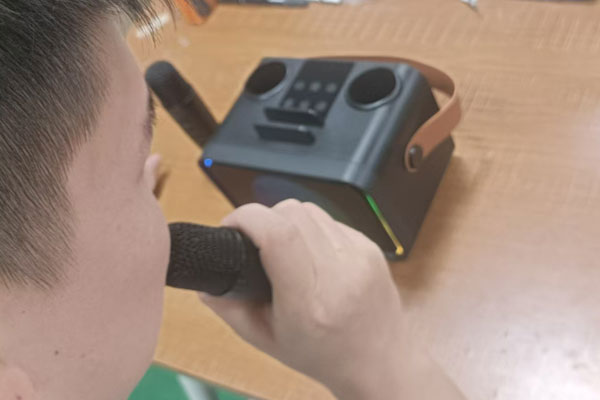
I always tell potential clients to ask the tough questions. A good supplier will have ready answers and the documents to back them up. It's about building trust through transparency. Let's look at what you should be asking about, for both the product and the partner.
Key Product Specifications to Check
The spec sheet can be confusing, but a few key numbers will tell you most of what you need to know about a speaker's performance.
| Specification | What It Means | What to Look For |
|---|---|---|
| Power (Watts) | The speaker's output volume. | 3-5W for personal speakers. 15-20W+ for room-filling sound. |
| Signal-to-Noise Ratio (SNR)13 | The ratio of audio signal to background hiss. Measured in decibels (dB). | Higher is better. 80dB or more is considered good quality. |
| Frequency Response | The range of bass, mids, and treble the speaker can produce. | A wider range is better (e.g., 80Hz - 20,000Hz). |
| IP Rating (e.g., IPX7) | The level of protection against dust and water. | Look for IPX4 (splash-proof) for general use or IPX7 (waterproof) for outdoor/bathroom speakers. |
How to Vet Your Supplier
A great product from an unreliable supplier is still a problem. You need to ensure the company itself is solid. At our factory, we pride ourselves on our processes. We have 8 production lines and follow ISO 9001 standards. We ensure this by checking three main areas:
- Certifications: Ask for copies of CE, FCC, RoHS15, and REACH certificates. These are non-negotiable for selling in European and American markets. A serious factory will have them ready. If they hesitate, it's a major red flag.
- Factory Scale and Audits: Ask about their production capacity12, number of production lines, and quality control16 process. Do they do 100% inspection on finished goods? Do they follow AQL standards for sampling? A factory visit or a third-party audit report can confirm their claims.
- Communication and Lead Time: How responsive are they? Is their communication clear? A good partner will be transparent about their production lead times and work with you to meet deadlines.
Conclusion
Finding the right Chinese Bluetooth speaker supplier means understanding the supply chain, knowing the supplier types, and carefully vetting both the product and the partner. This will secure your business success.
Explore expert tips to ensure you choose a trustworthy supplier for your Bluetooth speakers. ↩
Learn about the unique benefits of sourcing electronics from China's supply chain. ↩
Get insights into the role of trading companies in product sourcing and their pros and cons. ↩
Understand essential specs and certifications to ensure quality in your Bluetooth speakers. ↩
Discover why Dongguan is a hub for electronics and how it can benefit your sourcing. ↩
Find out how Shenzhen's ecosystem supports efficient electronics production. ↩
Explore how transport costs can impact your overall sourcing expenses. ↩
Stay updated on trends that influence the consumer electronics industry. ↩
Understand the complexities of mass production and how to navigate them. ↩
Understand the advantages of partnering with OEM/ODM factories for custom products. ↩
Explore the benefits and risks of working with small workshops for low-volume orders. ↩
Find out why assessing production capacity is crucial for timely deliveries. ↩
Discover how SNR affects audio quality and what to look for in speakers. ↩
Understand the significance of IP ratings for waterproofing and dust protection. ↩
Learn about essential certifications that ensure product safety and compliance. ↩
Learn about effective quality control practices to ensure product reliability. ↩