Struggling with the huge variety of speakers on the market? Picking the wrong type is a frustrating and expensive mistake. This guide makes choosing the right one easy.
Speakers are generally categorized by their application, technical features, and market popularity. Key groups include home audio, portable outdoor, karaoke, commercial systems, active vs. passive designs, and popular models like Bluetooth1 or party speakers. Understanding these differences is crucial for making a smart purchase.
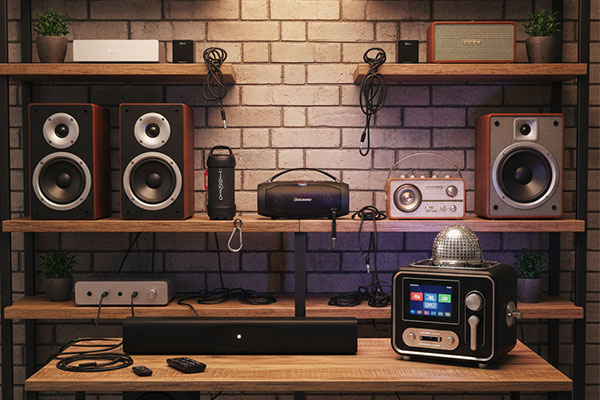
As someone who has been manufacturing speakers for over 12 years, I've seen how confusing this can be for buyers. Clients often come to me overwhelmed by the options. They just want to know which speaker is right for their market.
Let's break it down into simple, easy-to-understand categories. This will help you find exactly what you need without getting lost in technical jargon. We'll start with the most practical way to classify speakers: where and how they will be used.
How are speakers classified by their application or use case?
Feeling lost trying to match a speaker to a specific need? This can lead to buying a product that underperforms or fails entirely in its intended environment.
Speakers are classified by their primary use case: Home Audio2 for personal listening, Karaoke3 for entertainment, Outdoor4 for portability and durability, and Commercial for public address. Each category is designed with specific features for its environment, like sound quality, power, or weather resistance.
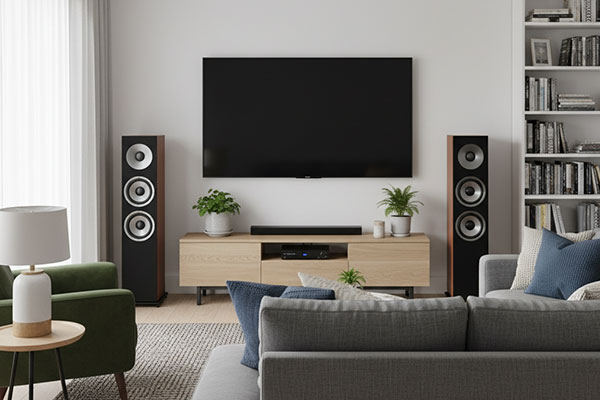
In my experience, the biggest mistake buyers make is choosing a speaker that isn't built for its environment. I once had a client who tried to use indoor home theater speakers for outdoor events. They weren't durable or loud enough and failed quickly. Understanding the main application scenarios is the first step to avoiding such problems.
Home Audio Systems
These speakers are designed for high-quality sound in a controlled indoor environment. The focus is on fidelity and creating an immersive listening experience for music and movies. Examples include bookshelf speakers for smaller rooms and large floor-standing speakers for powerful, full-range sound.
Karaoke Entertainment Systems
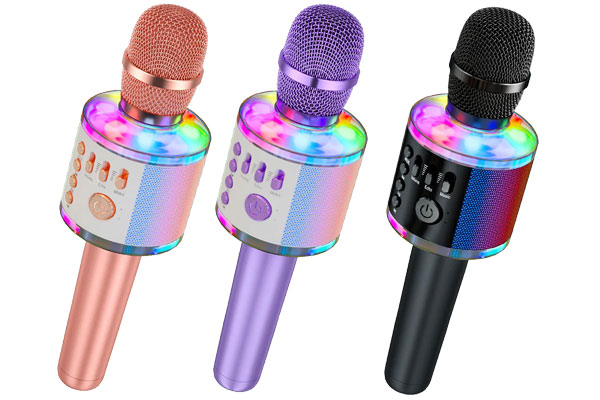
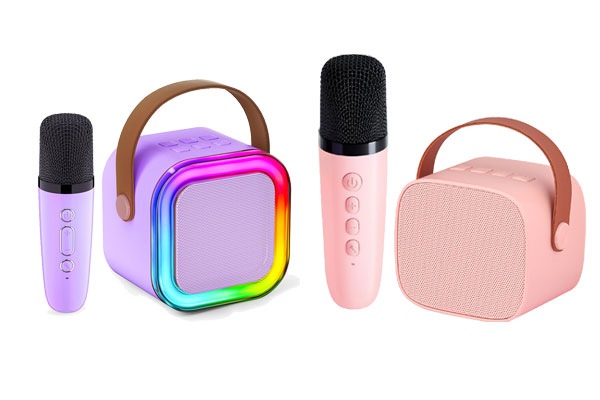
This is our specialty at Shuer Audio. These speakers are built for fun and performance. They need to reproduce vocals clearly and handle dynamic shifts in music. Key features include microphone inputs, echo effects, and durable construction for parties. They range from portable units to professional KTV systems.
Outdoor & Portable Speakers
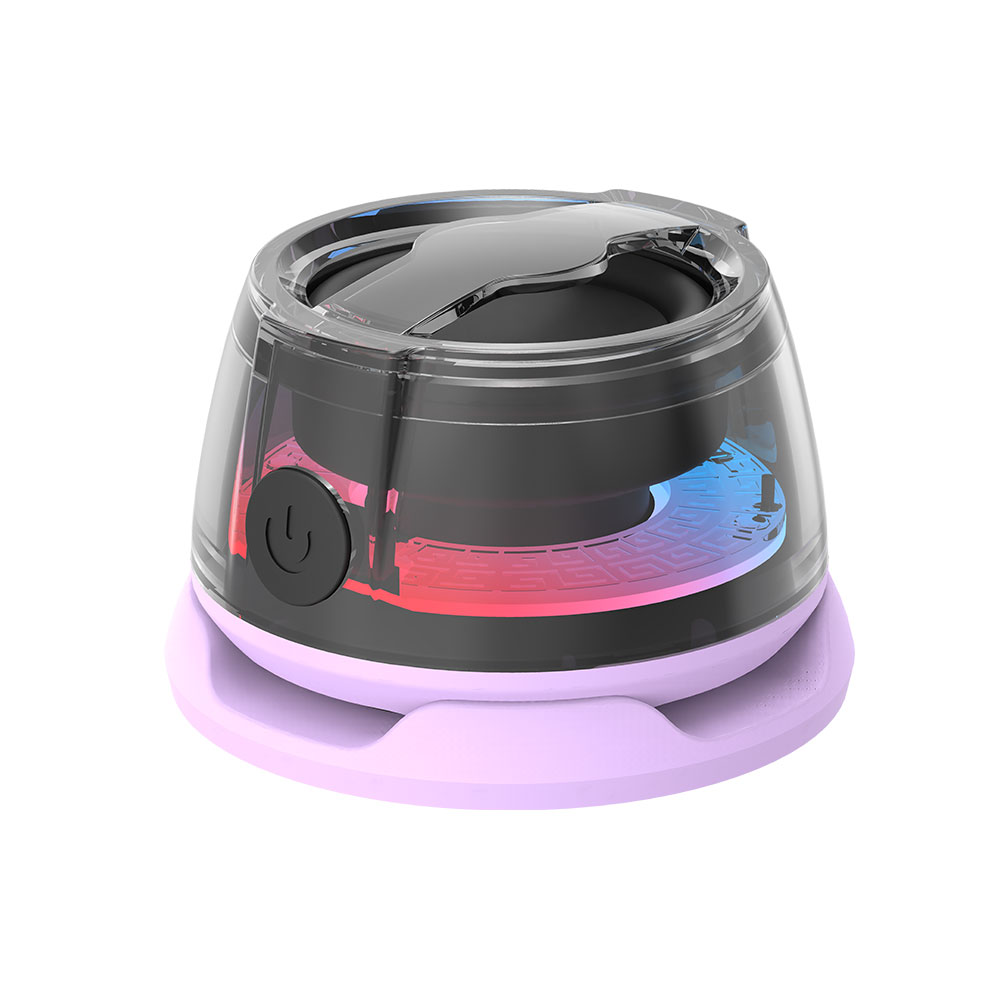
These are all about durability and convenience. They must be easy to carry and able to withstand the elements. Features like waterproofing (IPX ratings), long battery life, and rugged casings are essential. Party speakers with high power and flashing lights also fall into this popular category.
Commercial and Public Address (PA) Systems
Reliability and coverage are the top priorities here. These speakers are used in places like conference rooms, malls, and exhibition halls. They are designed to deliver clear announcements or background music over large areas and operate for long hours.
| Application | Key Feature | Best For... |
|---|---|---|
| Home Audio | High-Fidelity Sound5 | Music lovers and movie enthusiasts at home. |
| Karaoke | Vocal Clarity6 & Mic Inputs | Parties, singing, and entertainment. |
| Outdoor/Portable | Durability7 & Battery Life8 | On-the-go music, outdoor events, travel. |
| Commercial PA | Wide Coverage & Reliability | Announcements and background music in public spaces. |
What are the key technical features that define a speaker?
Do technical terms like "active," "passive," or "ported" confuse you? Not knowing these basics can lead you to buy a speaker that is incompatible with your other equipment.
The main technical features are the amplification method (active speakers have a built-in amp, passive ones need an external one), the enclosure design (sealed for tight bass, ported for louder bass), and the driver configuration (different drivers for low, mid, and high frequencies).
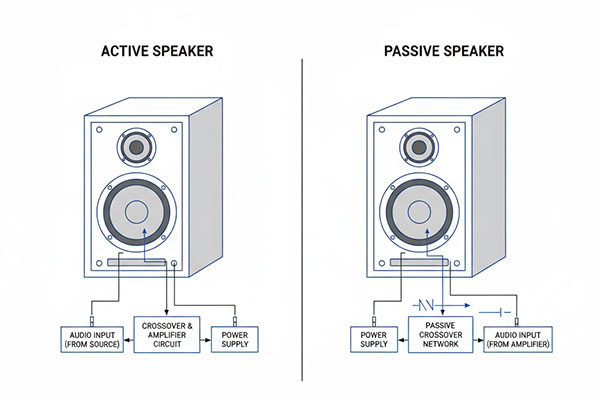
When I started in this industry, I had to learn these fundamentals fast. A speaker isn't just a box that makes noise; it's a system where every part matters. Understanding these core technical differences will help you understand why two speakers that look similar can sound completely different and have very different prices.
Active vs. Passive9 Speakers
This is the most fundamental difference.
- Active Speakers: These have a built-in amplifier. You can plug your music source (like a phone or mixer) directly into them. They are simple and convenient, which is why most portable Bluetooth and smart speakers are active.
- Passive Speakers: These require an external amplifier to power them. The amplifier sends the audio signal and power to the speaker. This setup offers more flexibility for high-end home audio and professional PA systems, allowing you to mix and match components.
Enclosure Type
The box, or enclosure, has a huge impact on the sound.
- Sealed (Acoustic Suspension): The enclosure is airtight. This design generally produces a tighter, more accurate bass sound but can be less efficient.
- Ported (Bass-Reflex): The enclosure has a hole or "port" that allows air to move. This design uses the port to boost low-frequency output, resulting in a louder, deeper bass. Most party and karaoke speakers use this design for more punch.
Driver Configuration
Drivers are the parts of the speaker that actually create the sound waves.
- Tweeters: Small drivers that produce high-frequency sounds (like cymbals).
- Mid-range Drivers: Handle the middle frequencies, where vocals and many instruments live.
- Woofers/Subwoofers: Large drivers that produce low-frequency sounds (bass and sub-bass).
A speaker's quality often depends on how these drivers are combined in what's called a crossover network, which directs the right frequencies to the right driver.
| Feature | Active Speaker | Passive Speaker |
|---|---|---|
| Amplifier | Built-in | Requires external amplifier |
| Setup | Simple, plug-and-play | More complex, requires matching components |
| Best For | Bluetooth speakers, studio monitors, convenience | High-end home audio, custom PA systems, flexibility |
| Example | Portable Karaoke Speaker | Professional KTV Speaker |
Which speaker types are most popular in the market right now?
Wondering what products are selling best? Focusing on unpopular categories can lead to slow sales and wasted inventory, a common problem for importers and retailers.
Currently, the most popular speaker types are Portable Bluetooth Speakers for their convenience, Party Speakers10 for their high power and lights, and Karaoke Speakers, especially all-in-one systems with wireless microphones for home entertainment. These categories drive significant consumer demand.
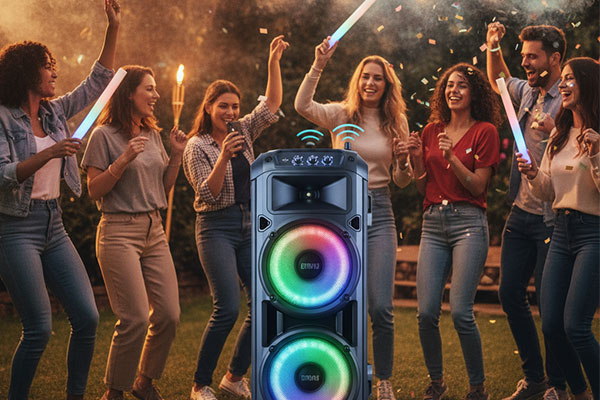
In our factory, we see market trends firsthand based on the orders we receive from clients in over 50 countries. For the past few years, the demand for speakers that offer more than just music has exploded. People want products that create an experience. It’s not just about listening anymore; it’s about participating.
Portable Bluetooth Speakers
Convenience is king. These speakers dominate the market because they are easy to use, battery-powered, and connect wirelessly to any smartphone. The trend has shifted towards more rugged and waterproof models (like those with IPX7 ratings), making them perfect for outdoor use, from the beach to the backyard. The sound quality and battery life of these small speakers have improved dramatically.
Party Speakers
These are the big brothers of portable Bluetooth speakers. They are designed to be the centerpiece of a social gathering. Key features include high power output for loud volume, deep bass (often with a bass-boost button), and built-in light shows that sync with the music. Many also include wheels and handles (like trolley speakers) for easier transport.
Karaoke Speakers
As a specialized manufacturer, this is the trend we are most excited about. The demand for home entertainment has driven huge growth in karaoke systems. Modern karaoke speakers are often all-in-one units with built-in screens, multiple wireless microphones, and vocal effects. They combine the functionality of a Bluetooth speaker with the fun of a full karaoke machine, making them a best-seller in the consumer electronics and gift markets.
| Speaker Type | Primary Appeal | Key Features |
|---|---|---|
| Portable Bluetooth | Convenience & Portability | Wireless, battery-powered, often waterproof. |
| Party Speaker | High Power & Fun | Loud volume, heavy bass, LED lights. |
| Karaoke Speaker | Interactive Entertainment | Microphone inputs, vocal effects, all-in-one design. |
How can you make the right choice when buying speakers in bulk?
Are you a procurement manager worried about making a large investment? Choosing the wrong supplier or product can lead to quality issues, compliance problems, and financial loss.
To make the right choice, first clearly define your target market and required features. Next, thoroughly vet suppliers for quality control and certifications (CE, FCC, RoHS). Finally, consider the total cost, not just the unit price, including shipping and potential defects.
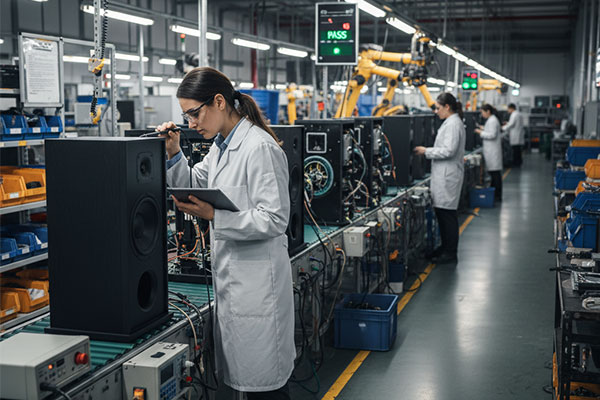
As a manufacturer who provides OEM/ODM services, I work with procurement managers every day. The most successful ones are those who do their homework. They don't just look for the lowest price; they look for a reliable partner. A few years ago, a new client came to us after a bad experience with another factory. Their previous shipment had a 30% defect rate because the supplier skipped final testing to save money. This is a nightmare for any importer.
Define Your Needs and Target Market
Before you even contact a supplier, you must know who your customer is. Are you selling to families for home use? Or to event companies for professional use? This determines the necessary features, quality level, and price point. You also need to confirm the required certifications for your country, such as CE, RoHS, and FCC.
Evaluate the Supplier
A good supplier is a partner. Look beyond their website and ask for specifics.
- Experience: How long have they been in business? Do they specialize in the type of speaker you need? (We, for example, have 12+ years in karaoke and Bluetooth speakers).
- Quality Control11: What is their QC process? Do they inspect raw materials? Do they perform 100% function tests on finished goods? Ask about their production lines and the experience of their QC staff.
- Capacity: Can they handle your order volume and meet your deadlines? Ask about their number of production lines and monthly output.
Understand the Total Cost
The unit price is just one part of the equation. A cheap speaker can become expensive if it has high defect rates or fails to meet compliance standards. Consider the "Total Cost of Ownership12," which includes:
- Unit Price (FOB/EXW)
- Shipping and Logistics
- Import Tariffs
- Cost of potential defects and returns
A reliable supplier with strong quality control, like our factory where every line has dedicated QC staff, reduces your risk and protects your profit margin in the long run.
| Procurement Step | Key Action | Why It's Important |
|---|---|---|
| 1. Define Needs | Identify target customer and required certifications. | Ensures product-market fit and avoids legal issues. |
| 2. Vet Supplier | Check experience, QC processes, and production capacity. | Reduces risk of quality problems and delays. |
| 3. Analyze Cost | Calculate Total Cost of Ownership, not just unit price. | Provides a true picture of profitability and financial risk. |
Conclusion
Finding the right speaker is about matching the product to your specific needs and market. This guide helps you understand the key types and make a smarter choice.
Discover the best Bluetooth speakers that offer convenience and high-quality sound for music lovers. ↩
Explore this link to discover top-rated Home Audio speakers that deliver exceptional sound quality for your listening experience. ↩
Check out this resource for the best Karaoke speakers that enhance your singing experience with clear vocals and fun features. ↩
Find out which Outdoor speakers are built to withstand the elements while providing great sound quality. ↩
Discover the top speakers that deliver high-fidelity sound for audiophiles and home theater enthusiasts. ↩
Explore the features that improve vocal clarity in speakers, making them ideal for karaoke and public speaking. ↩
Learn why durability is crucial for portable speakers, especially for outdoor use, and which models excel in this area. ↩
Explore this resource to understand the ideal battery life for portable speakers and which models meet those standards. ↩
This link explains the key differences between Active and Passive speakers, helping you choose the right type for your needs. ↩
Explore this resource to understand the essential features of Party Speakers that make them perfect for gatherings. ↩
Learn about the best practices in quality control for speakers to ensure you receive high-quality products. ↩
Understand the concept of Total Cost of Ownership and how it impacts your speaker purchasing decisions. ↩