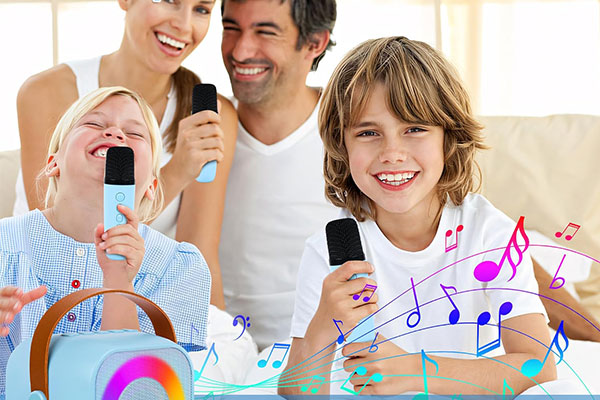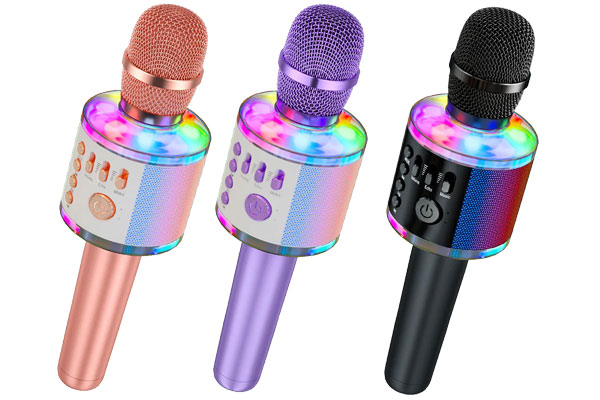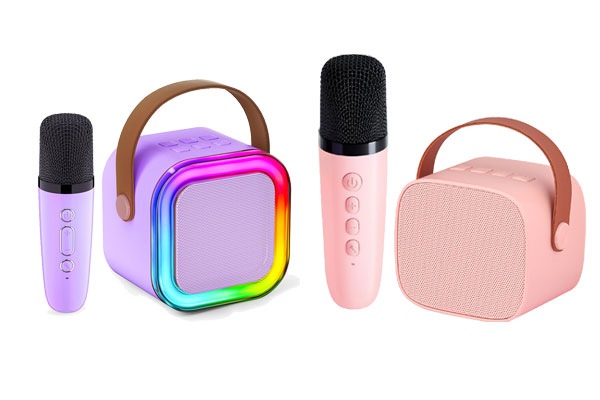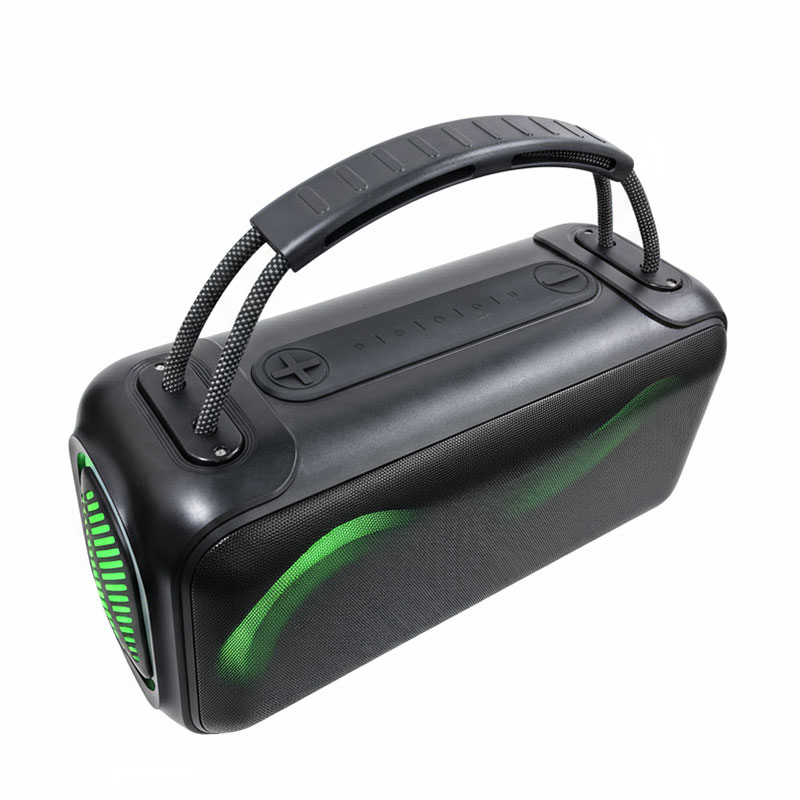
Struggling to pick a winning portable karaoke machine1? Choosing wrong leads to poor sales and unhappy customers. This guide simplifies the key features to help you select the perfect models.
The best portable karaoke machine balances durable materials2 like ABS plastic3, appropriate speaker power4 (10-70W RMS), and long battery life5 (over 5000mAh for parties). The "best" choice always depends on the target user, whether it's for kids, family parties, or outdoor events.
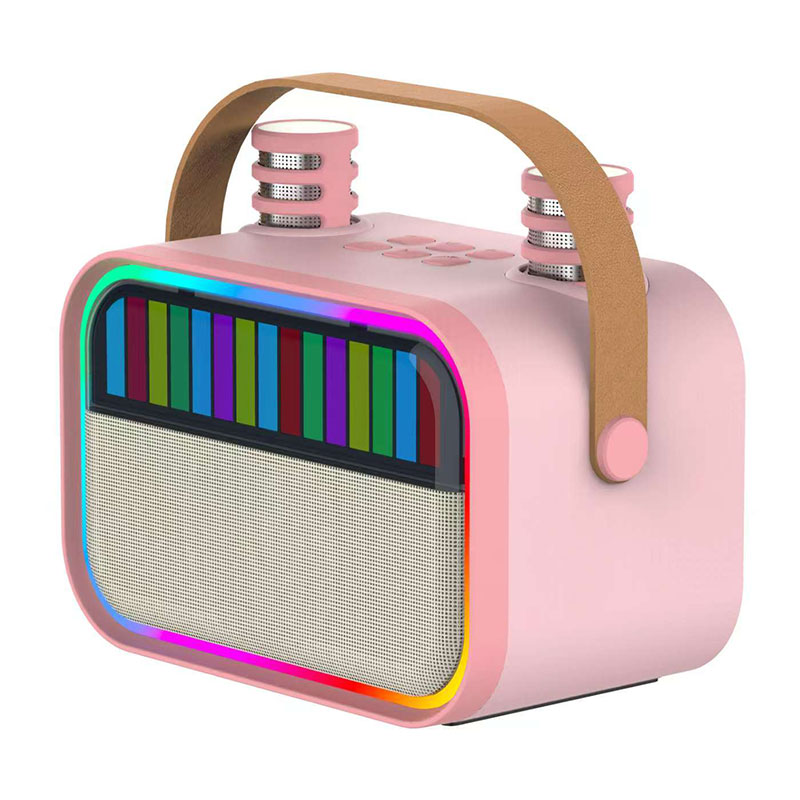
That’s the short answer, but if you're a buyer, you know the details are what really matter for your inventory. Choosing the right product means understanding the tradeoffs between cost, function, and quality. To truly find the best machine for your customers, you need to look closer at what makes a great unit. Let's break down the most important factors, starting with what the machine is made of.
How does material affect a karaoke machine's durability and sound?
Worried about stocking products that break easily or sound terrible? Poor materials lead to returns and damage a brand's reputation. Let’s look at how the right build ensures durability and quality.
The material directly impacts durability and sound. ABS plastic is lightweight and drop-resistant, making it perfect for portable models. Metal casings are heavier but offer better sound resonance. For outdoor use6, models with an IPX4 water-resistance7 rating and shock-proof designs8 are far superior.
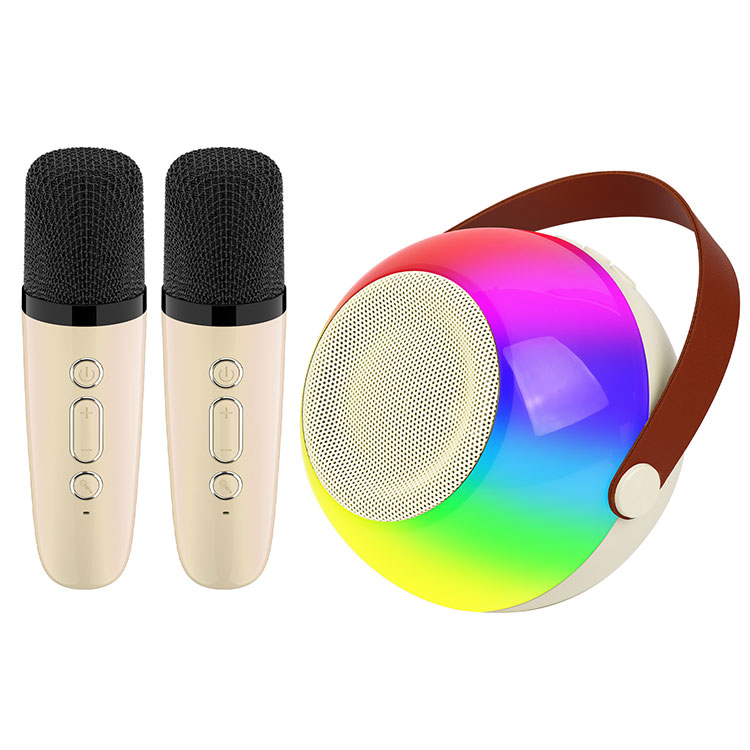
In my 12 years of manufacturing audio products, I’ve seen how crucial material choice is. It’s not just about looks; it’s about performance and longevity. When sourcing for your business, you need to think about the end-user's experience.
Casing Material Trade-offs
The two most common materials are ABS plastic and metal. ABS plastic is a fantastic choice for general-purpose and children's karaoke machines. It's tough, lightweight, and cost-effective9 to produce, which allows for more features at a lower price point. On the other hand, a metal or wood casing, while heavier, often provides better acoustics10 by reducing unwanted vibrations, leading to a clearer, richer sound.
Built for the Outdoors
If the target audience is families who enjoy outdoor activities, you must consider durability features. A rubberized or shock-absorbent frame can protect the machine from accidental drops. Furthermore, an IPX4 rating or higher is a significant selling point. It means the device is protected from splashing water, making it safe for poolside parties or a day at the beach.
Here’s a quick comparison:
| Material | Pros | Cons | Ideal For |
|---|---|---|---|
| ABS Plastic | Lightweight, durable, cost-effective | Can feel less premium, average acoustics | Kids, general family use, portable models |
| Metal | Premium feel, better sound resonance | Heavier, more expensive | High-end home use, serious hobbyists |
| Ruggedized | Shock-proof, often water-resistant | Can be bulky, higher price | Outdoor use, parties, travel |
As a buyer, matching the material to the intended use case is key to selecting a product that will satisfy customers and minimize returns.
What speaker power is right for different situations?
Choosing the wrong speaker power is a common mistake. A unit that's too quiet disappoints users, while one that's overkill is too expensive. Let's match the right power to the right occasion.
Speaker power, measured in RMS, determines volume and clarity. For kids or home use, 10–30W RMS is sufficient. For parties or outdoor gatherings, aim for 30–70W RMS. Professionals might need 70W or more. Also, consider the speaker driver size11 for better bass performance.
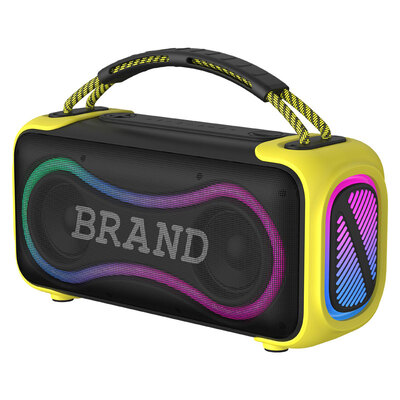
Power ratings can be confusing, but focusing on the right metric makes it simple. Many brands advertise "peak power," which is a misleading number showing a short burst of output. What you need to look for is RMS (Root Mean Square) power. This measures the speaker's continuous, real-world power output, giving you a true sense of its loudness and audio quality. From my experience, a product's RMS rating is the most reliable indicator of its performance.
Matching Power to the Environment
The ideal wattage depends entirely on where the machine will be used. A low-powered speaker will get lost in a noisy environment, while a high-powered one might be excessive for a child's bedroom.
- For Kids and Small Rooms (10–30W RMS): This range provides plenty of volume for a bedroom or small living room without being overwhelming. It keeps the unit compact and affordable.
- For Parties and Outdoors (30–70W RMS): This is the sweet spot for most users. It’s powerful enough to fill a backyard or large function room with music and vocals, ensuring the karaoke star can be heard over the crowd.
- For Professional Use (70W+ RMS): These machines are for serious performers, event hosts, or anyone who needs to command a large space.
It's Not Just About Watts
Power is only part of the story. The physical size of the speaker driver, especially the woofer, matters for sound quality. A larger woofer can move more air, producing deeper and more satisfying bass. Also, look for models with a DSP (Digital Signal Processor)12. A well-tuned DSP can optimize the sound, preventing distortion at high volumes and balancing the audio for a richer listening experience.
How much battery life is enough?
A dead battery can kill a party instantly. Stocking machines with poor battery life leads to customer complaints. You need to know what capacity is reliable for different lengths of use.
A good portable karaoke machine should offer at least 4-6 hours of playtime. Look for battery capacities of 5000mAh or more. For heavy outdoor use, models with replaceable batteries13 or fast charging via USB-C provide the best flexibility and user experience14.
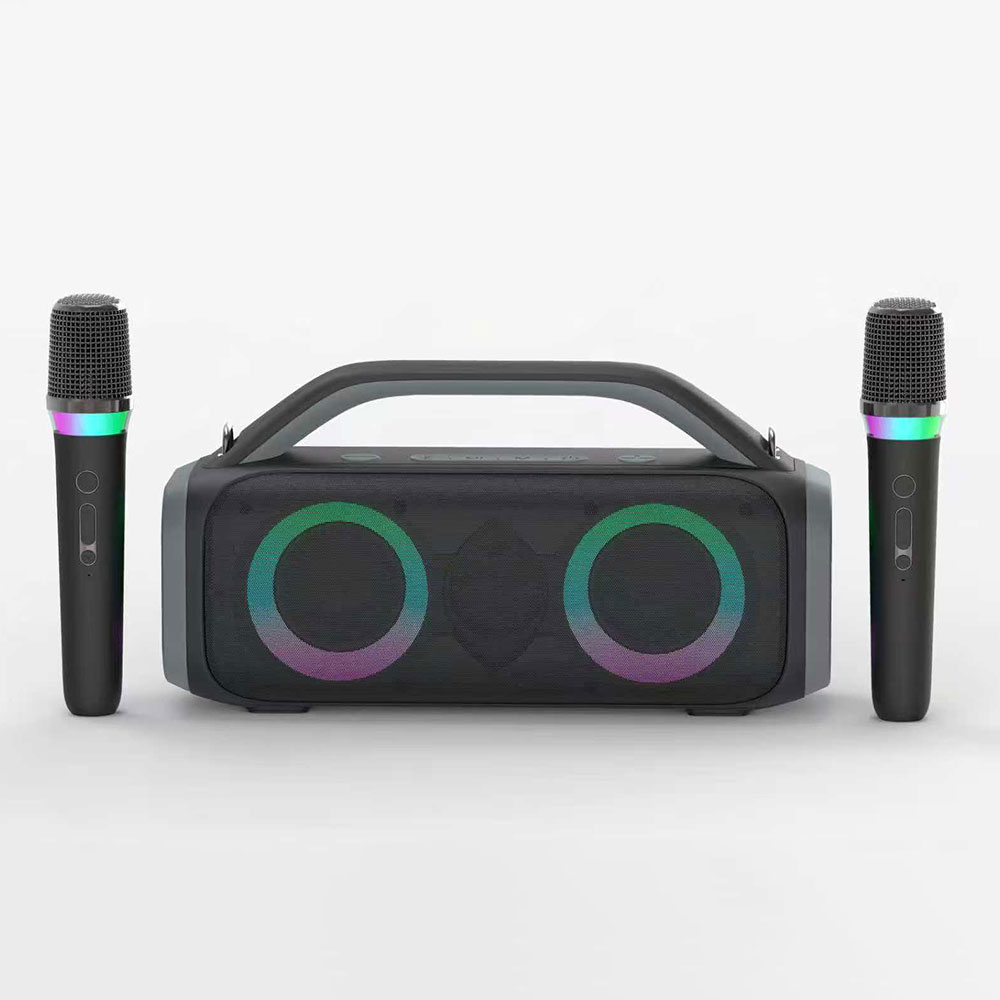
Battery life is one of the most critical features of any portable electronic device. When I'm developing a new product, we run extensive tests to ensure the stated battery life is accurate under real-world conditions—playing music at about 50-70% volume.
Understanding Battery Capacity
Battery capacity is measured in milliamp-hours (mAh). While a higher number is generally better, efficiency also plays a role. Here’s a general guide to what you can expect:
| Battery Capacity | Estimated Playtime | Best Use Case |
|---|---|---|
| 2000–5000mAh | 2–6 hours | Short sessions, kids' playtime |
| 5000–10000mAh | 4–10 hours | Family parties, backyard gatherings |
| 10000mAh+ | 8–12+ hours | All-day events, travel, outdoor use |
As a rule of thumb, for a product marketed for parties or outdoor use, I would never go below 5000mAh. It’s the minimum required to give customers a satisfying, uninterrupted experience.
Practical Features to Look For
Beyond raw capacity, other features make a big difference. Fast charging, especially via a universal USB-C port, is a huge convenience. It allows users to quickly top up the battery before an event. An even better feature, though less common, is a swappable or user-replaceable battery. This is a massive selling point for power users, as they can simply carry a spare battery to double their playtime, ensuring the party never has to stop. In my factory, we've found that including these practical features significantly boosts a product's market appeal.
Conclusion
Choosing the best portable karaoke machine means matching material, power, and battery to your customer's needs. Focus on these core features to stock products that deliver real value and performance.
Explore this link to understand the essential features that make a portable karaoke machine stand out. ↩
Learn about materials that enhance durability and performance in portable devices. ↩
Understand why ABS plastic is a popular choice for portable devices due to its durability. ↩
Discover how speaker power influences audio clarity and volume in karaoke machines. ↩
Find out the recommended battery life for uninterrupted karaoke fun. ↩
Discover essential features that make karaoke machines suitable for outdoor events. ↩
Explore the significance of water-resistance ratings for outdoor electronic devices. ↩
Discover how shock-proof designs enhance the longevity of portable electronics. ↩
Understand how cost-effective materials can balance quality and affordability. ↩
Learn about the key factors that affect sound quality in portable audio devices. ↩
Explore the relationship between speaker driver size and audio performance. ↩
Find out how DSP technology optimizes audio performance in karaoke machines. ↩
Learn why replaceable batteries can enhance user experience and convenience. ↩
Explore how thoughtful design can significantly improve user satisfaction with products. ↩