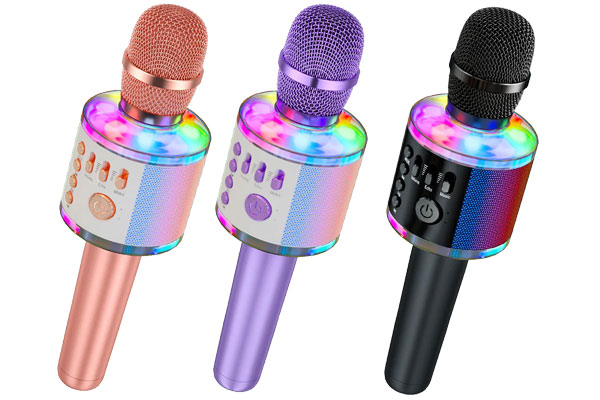
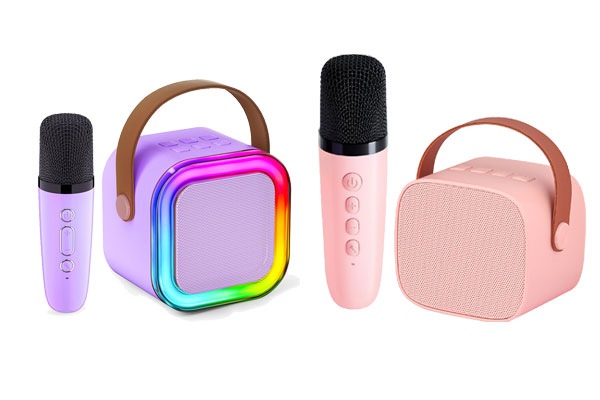
Imagine a world without karaoke machine1s! This global phenomenon has transformed how we socialize and entertain ourselves.
The karaoke machine was invented in Japan2 by Daisuke Inoue3 in 1971. Today, manufacturing has spread to China4, Japan, and South Korea5, each bringing unique strengths to the global karaoke market.
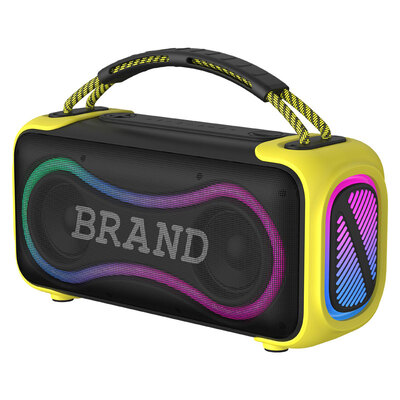
As karaoke has become a worldwide entertainment staple, manufacturing has evolved significantly. While Japan gave birth to this concept, production has expanded across Asia. Let's explore how these three countries have shaped the karaoke industry today.
Why Has China Become a Karaoke Manufacturing Powerhouse?
China dominates karaoke production through unmatched supply chain advantages. How did they achieve this global leadership position?
China's karaoke manufacturing dominance stems from complete electronics ecosystems6 in Shenzhen and Guangzhou, lower labor costs, and exceptional OEM/ODM capabilities7 that serve global markets effectively.
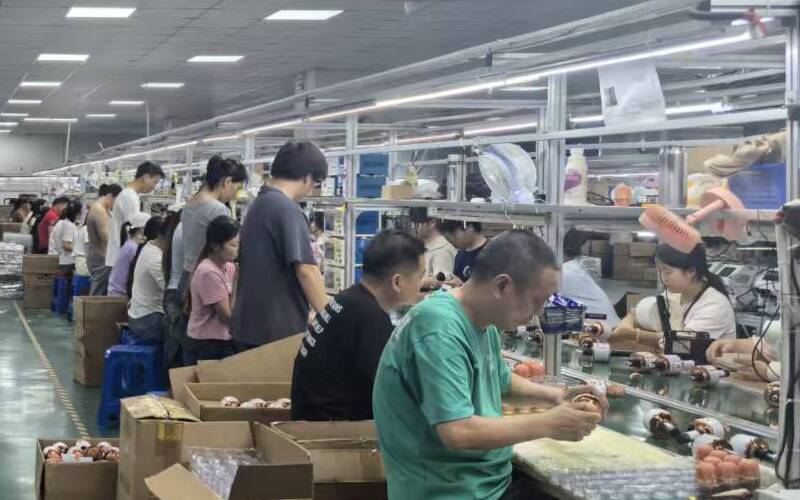
China's rise as the leading karaoke manufacturer is built on several strategic advantages that create an almost unbeatable competitive position. The most significant factor is the country's mature electronics supply chain, particularly concentrated in manufacturing hubs like Shenzhen and Guangzhou. These regions offer comprehensive ecosystems where all necessary components for karaoke machines are readily available. Speakers, microphones, enclosures, LED displays, circuit boards, and batteries can all be sourced locally, drastically reducing production lead times and costs.
The cost structure of Chinese manufacturing provides another substantial advantage. With lower labor costs compared to Japan and South Korea, Chinese producers can offer more competitive pricing, particularly for mass-market products. This cost efficiency has been instrumental in capturing significant market share, especially in the children's karaoke8 segment, where budget-friendly models now dominate the industry landscape.
China's OEM and ODM capabilities represent perhaps their greatest strength in the karaoke market. Local manufacturers excel at providing flexible customization services that range from simple logo printing and package design to complete product development from concept to final production. This flexibility allows international brands to create differentiated products without investing in their own manufacturing infrastructure. Additionally, years of export experience have made Chinese manufacturers highly familiar with Western market requirements, regulations, and consumer preferences.
China's Karaoke Manufacturing Advantages
| Advantage | Description | Impact on Production |
|---|---|---|
| Complete Supply Chain | All components available locally | Reduced lead times, lower costs |
| Labor Cost Efficiency | Competitive workforce pricing | More affordable products for mass market |
| OEM/ODM Capabilities | Flexible customization services | Enables global brand partnerships |
| Export Experience | Familiarity with international markets | Better compliance with Western regulations |
China's Karaoke Market Position
| Market Segment | China's Position | Key Products |
|---|---|---|
| Children's Karaoke | Market leader | Educational karaoke machines with colorful designs |
| Budget Home Systems | Strong presence | Affordable all-in-one karaoke solutions |
| OEM/ODM Services | Global leader | Custom products for international brands |
What Makes Japanese and Korean Karaoke Machines Premium?
Japanese and Korean karaoke machines stand apart with superior quality. Why do they command premium prices?
Japanese and Korean karaoke machines excel in sound quality9, durability10, user experience11, and advanced features12. They occupy the premium segment for home and professional KTV systems13.
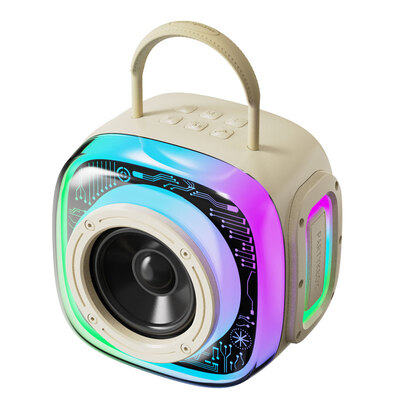
Japan and South Korea have carved out a distinctive space in the global karaoke market by focusing on superior quality and technological innovation. These nations have long been recognized as leaders in consumer electronics manufacturing, and this expertise extends to high-performance karaoke equipment.
The most significant advantage of Japanese and Korean karaoke machines lies in their exceptional sound quality. Manufacturers in these countries invest heavily in audio engineering research and development, resulting in systems that deliver clearer sound reproduction, superior bass response, and balanced audio across all frequency ranges. This acoustic excellence creates a more authentic singing experience that appeals to discerning karaoke enthusiasts and commercial establishments. Advanced digital signal processing technologies minimize background noise and enhance vocal clarity.
Durability represents another critical differentiator. Japanese and Korean manufacturers typically utilize higher-grade components and implement more rigorous quality control processes. The result is equipment that can withstand frequent use in both home and commercial environments, maintaining performance consistency over extended periods. This reliability makes these karaoke systems a preferred choice for professional KTV operators and dedicated home users who value longevity.
User experience is another area where Japanese and Korean manufacturers excel. Their products typically feature intuitive interfaces, responsive controls, and sophisticated software. Features such as extensive song libraries, video recording capabilities, and connectivity options for streaming services add significant value beyond basic karaoke functionality.
Premium Karaoke Features Comparison
| Feature | Japanese/Korean Approach | Chinese Approach |
|---|---|---|
| Sound Quality | Superior audio engineering with balanced reproduction | Good quality for price point |
| Build Quality | Premium materials and construction | Cost-effective components |
| User Interface | Intuitive, responsive controls | Functional but basic interfaces |
| Additional Features | Advanced DSP, video recording | Basic karaoke functions |
Market Positioning
| Manufacturer Type | Price Point | Target Market | Key Differentiators |
|---|---|---|---|
| Japanese/Korean | Premium ($200-$1000+) | Audio enthusiasts, professional KTV | Sound quality, durability |
| Chinese | Budget to mid-range ($50-$300) | Mass market, children's segment | Cost efficiency, customization |
Conclusion
Karaoke machine production spans Japan, China, and South Korea, each with unique strengths serving different market segments14.
Explore the fascinating history of karaoke machines and how they evolved into a global entertainment phenomenon. ↩
Discover Japan's pivotal role in the development of karaoke and its cultural significance. ↩
Learn about Daisuke Inoue, the inventor of the karaoke machine, and his impact on music and entertainment. ↩
Understand the factors that have made China a powerhouse in karaoke machine production. ↩
Explore South Korea's contributions to the karaoke industry and its premium offerings. ↩
Learn about the importance of electronics ecosystems in manufacturing and their role in production efficiency. ↩
Find out how OEM and ODM capabilities benefit brands and enhance product customization. ↩
Explore the children's karaoke market and the products designed specifically for young users. ↩
Discover why sound quality is crucial for karaoke machines and how it affects user experience. ↩
Learn about the significance of durability in karaoke machines for both home and commercial use. ↩
Explore how user experience influences the design and functionality of karaoke machines. ↩
Discover the advanced features that set premium karaoke machines apart from budget options. ↩
Learn about KTV systems and their unique features that cater to professional karaoke experiences. ↩
Understand the various market segments in the karaoke industry and their unique characteristics. ↩